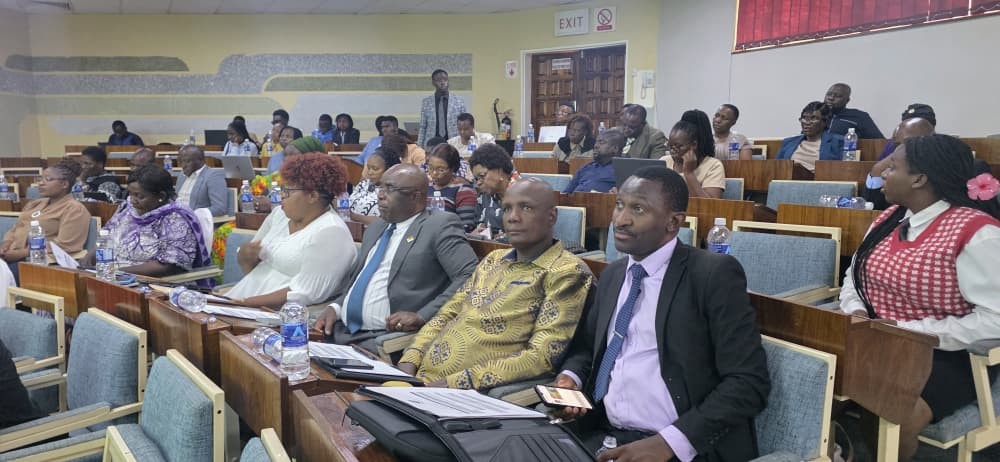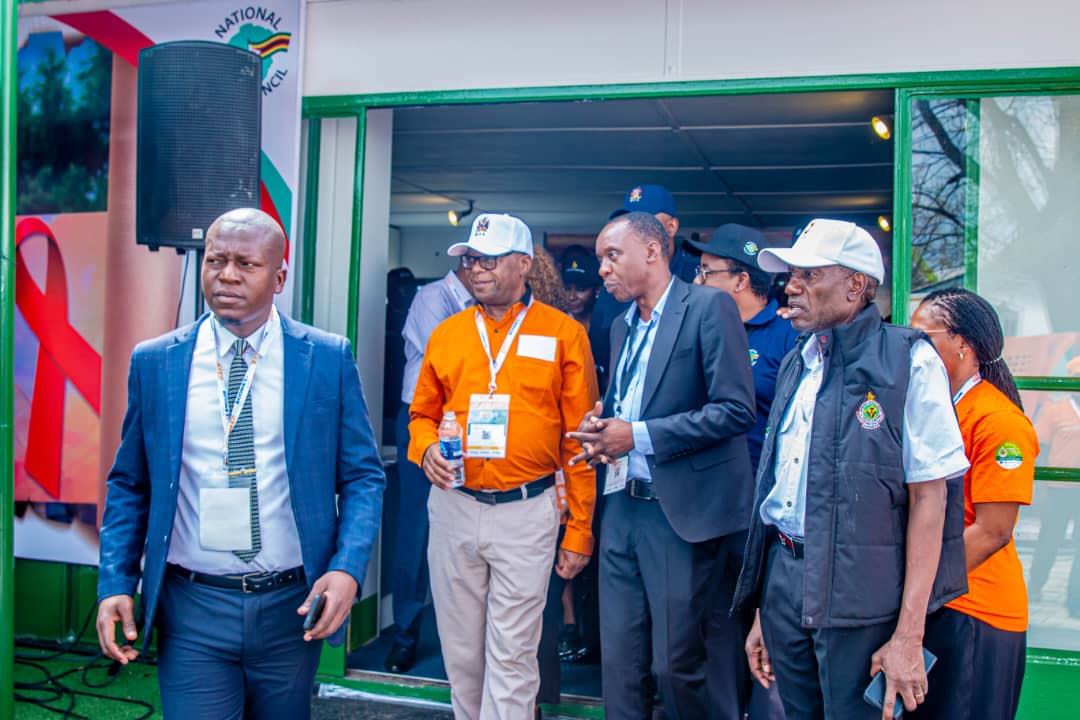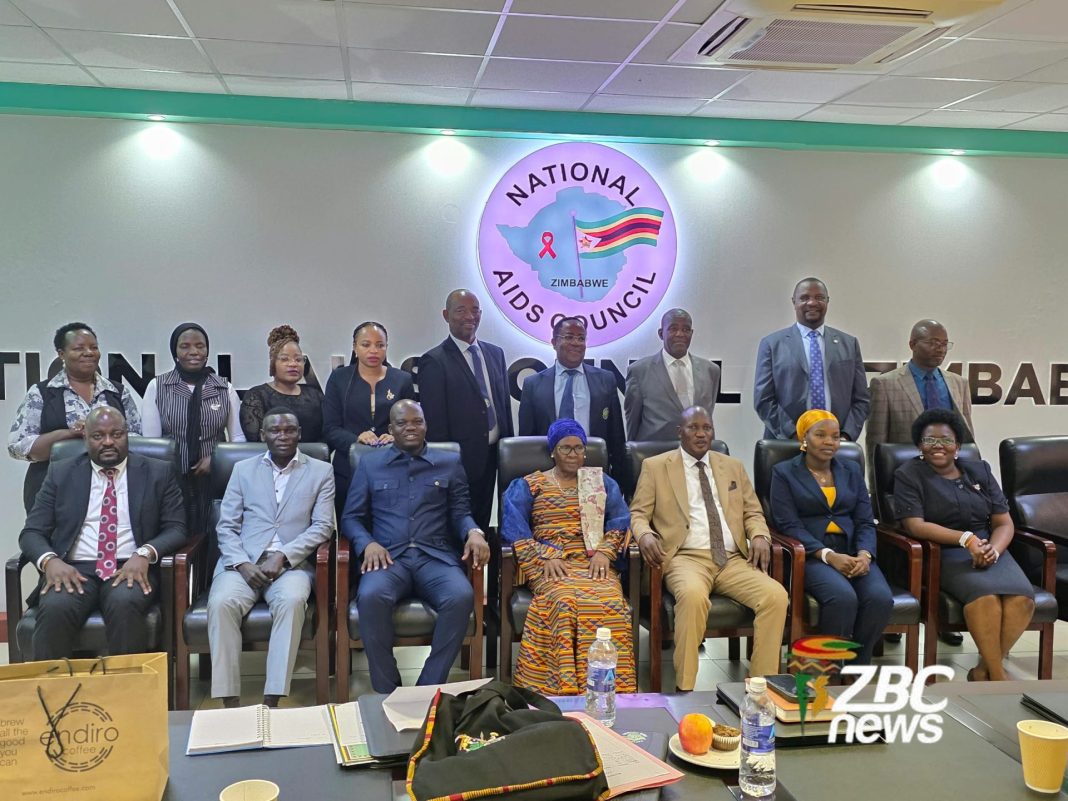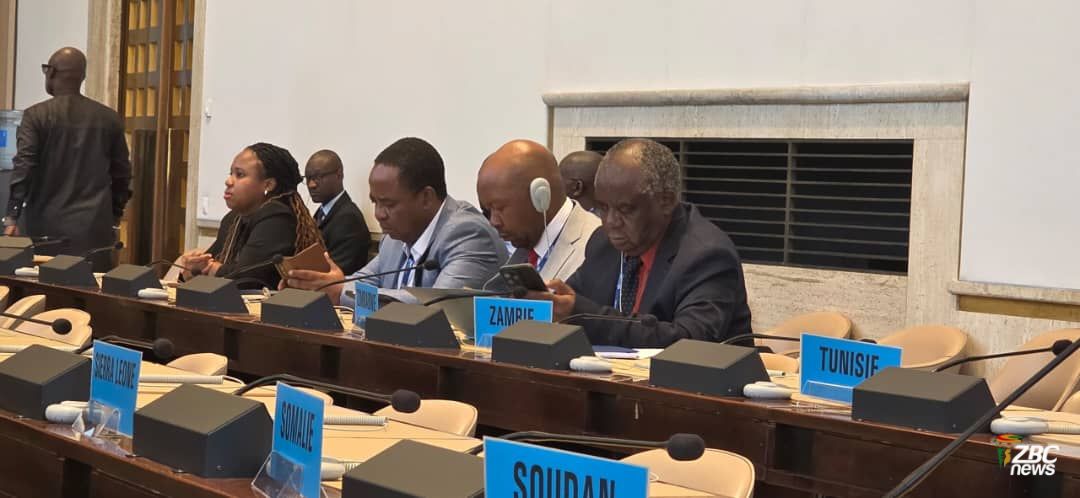
The commitment was made during a high-level meeting held on the sidelines of the ongoing World Health Assembly in Geneva, Switzerland, where ministers convened to refine Africa’s common position ahead of the United Nations High-Level Meeting on HIV/AIDS scheduled for June in New York, USA.
Under the proposed framework, African countries pledged to reduce new HIV infections and AIDS-related deaths by 90 percent from the 2010 baseline, while building resilient, country-led and sustainably financed HIV response systems.
The ministers also pledged to integrate HIV services into broader healthcare systems, strengthening community-led interventions, protecting the rights of people living with HIV and ensuring equitable access to treatment and prevention services, including for migrants and refugees.
The meeting, chaired by Zimbabwe’s Minister of Health and Child Care, Dr Douglas Mombeshora, further underscored the urgent need to strengthen domestic financing for HIV programmes while embracing innovation, digital inclusion and community-driven healthcare responses.
Ministers identified access to quality HIV, tuberculosis, viral hepatitis and sexually transmitted infection services as a major priority, alongside closing persistent gaps in paediatric HIV treatment and advanced HIV disease management.
UNAIDS Deputy Executive Director Angeli Achrekar said the global HIV response had reached a defining moment.
“Ending AIDS is both within our grasp and in danger of slipping through our fingers. It is within this context that UN member states, facilitated by Botswana and Georgia, will convene next month at the General Assembly for a high-level meeting to review progress and consider a new political declaration on the global AIDS response.”
Ms Achrekar noted that the political declaration to be negotiated by UN member states next month would shape the direction of the global HIV response over the next five years and remain the world’s key accountability mechanism on HIV and AIDS.
She warned that weak political commitments could reverse decades of progress, particularly in Africa, which remains the region most affected by the epidemic.
However, she stressed that a strong and united African position could help secure sustainable gains towards ending AIDS.
“A strong political declaration would take us down another path, a path of sustainable investment, sovereignty, strong African health systems, African pharmaceutical industries and empowered African communities. It is a path where AIDS is transformed from a global tragedy into a global triumph,” she said.
Ms Achrekar also highlighted the critical role of community leadership in sustaining progress against HIV and AIDS.
“A strong political declaration, and thus a strong common African position, would include sustainable financing, integration of HIV into health and non-health systems, robust data collection and equitable access to services. Community leadership across services and systems will be key to achieving sustainable outcomes,” she said.
The 79th World Health Assembly, which officially opened on May 18 in Geneva, Switzerland, will run until May 23.
The assembly has brought together delegations from more than 190 countries to define global health priorities and advance discussions on some of the world’s most pressing health challenges.
The World Health Assembly, the World Health Organisation’s supreme decision-making body, meets annually to determine the organisation’s policies, approve its budget and provide direction on major global health issues.
Outcomes from this year’s assembly are expected to shape international health cooperation and global health governance in the years ahead.