Zimbabwe Turns HIV Gains Into Platform for Chronic Disease Care
By Tichaona Katsvamutima
Zimbabwe is expanding its HIV response beyond treatment, using systems developed through years of investment in HIV programmes to strengthen the management of non-communicable diseases (NCDs) as people living with HIV live longer.
The shift marks a new phase in the country's health response, with authorities seeking to use established HIV infrastructure, community programmes and other resources to address conditions such as hypertension, diabetes and cervical cancer.
Chief Director of Public Health in the Ministry of Health and Child Care, Dr Celestino Dhege, said Zimbabwe's HIV response had been driven by domestic resource mobilisation and a multisectoral approach involving government departments and wider society.
"Zimbabwe's HIV response has been driven by quite a number of interventions, one of which is domestic resource mobilisation, which has enabled us to procure ARVs and support community prevention interventions," Dr Dhege said.
He said the involvement of different sectors had been critical to the country's progress in responding to HIV.
"The implementation of the HIV/AIDS response in a multisectoral manner, where different government departments are involved, has also been very critical in making sure that everybody puts their hands on the deck to ensure that we achieve the 95-95-95," he said.
Zimbabwe has surpassed the UNAIDS 95-95-95 targets, which seek to ensure that 95 percent of people living with HIV know their status, 95 percent of those diagnosed are on treatment, and 95 percent of those on treatment achieve viral suppression.
Dr Dhege attributed the progress to collective action across government and society.
"We have already surpassed it because, as a nation, we have worked together," he said.
But the gains made against HIV are also changing the demands placed on the health system.
With improved access to antiretroviral therapy, people living with HIV are living longer, increasing the need for health services to address other chronic conditions alongside HIV.
National AIDS Council (NAC) chief executive officer Dr Bernard Madzima said Zimbabwe was now moving towards integrating NCD services into existing HIV programmes.
"After successfully implementing various HIV interventions, the National AIDS Council is now engaging into the integration of services, incorporating NCDs," Dr Madzima said.
The approach is aimed at responding to the changing health needs of people living with HIV, increasingly requiring long-term care for conditions beyond HIV.
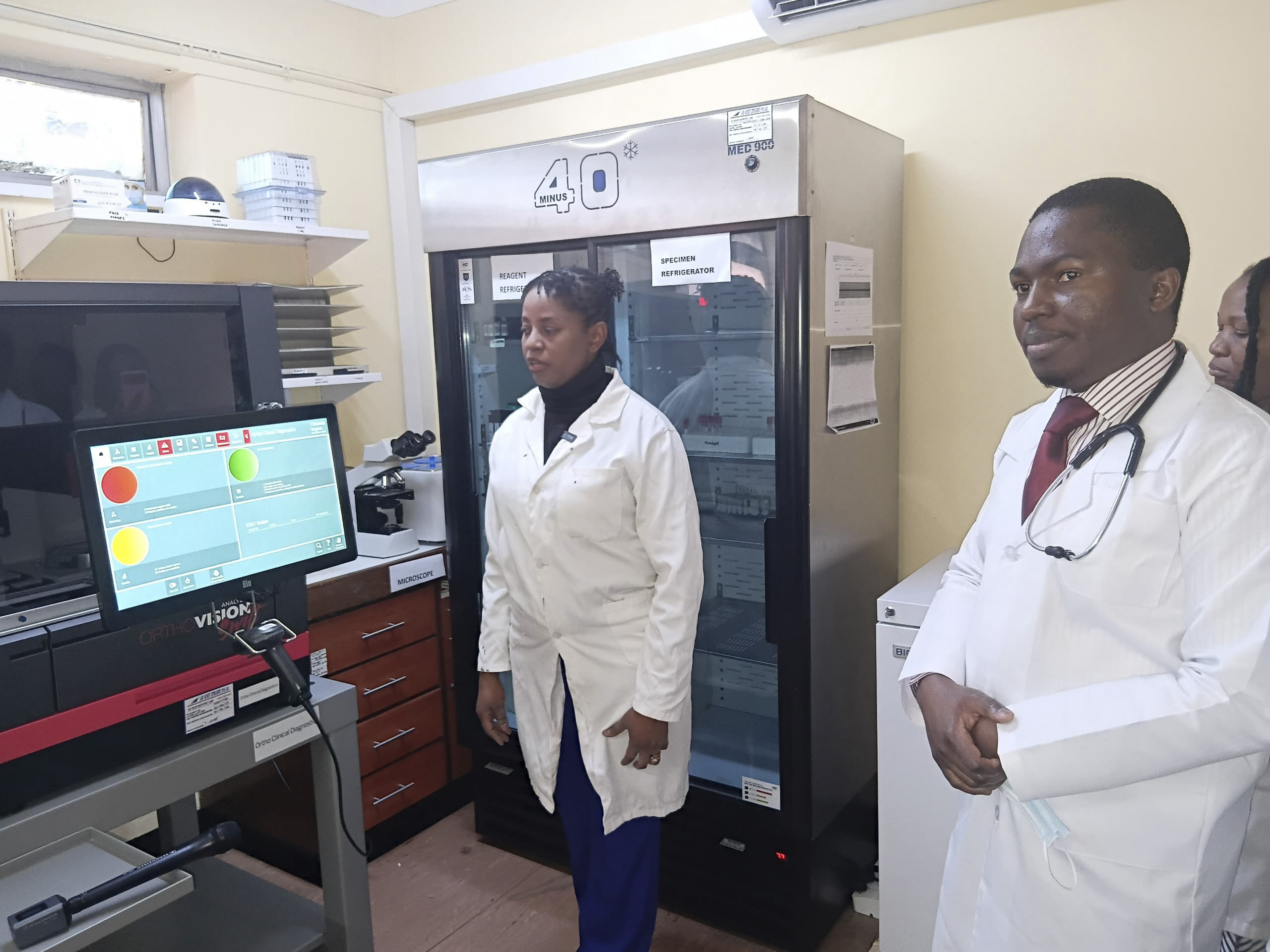
Zimbabwe is seeking to build on platforms created through its HIV response, including community-based programmes, health-worker capacity and established service-delivery systems, to support the screening and management of other diseases.
The integration includes conditions such as hypertension and diabetes, while services such as cervical cancer screening can also be incorporated into broader healthcare programmes.
The shift points towards a more integrated approach to long-term care, while maintaining the HIV prevention, treatment and viral-suppression gains achieved over the years.
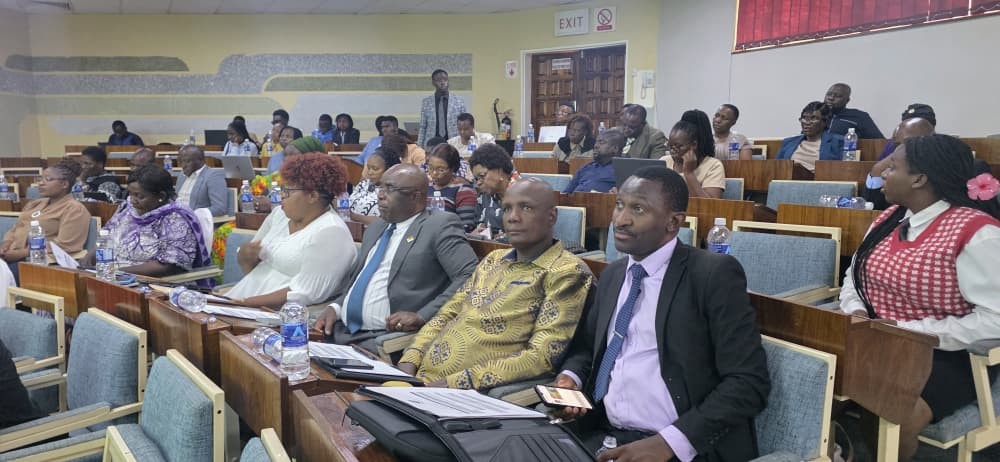
The development was highlighted during a visit by a Ugandan parliamentary delegation seeking to study Zimbabwe's experience in HIV financing and service delivery.
For Uganda and other countries examining Zimbabwe's HIV model, the move towards integrating NCD services provides an example of how established HIV investments can be adapted to respond to broader and changing healthcare needs.